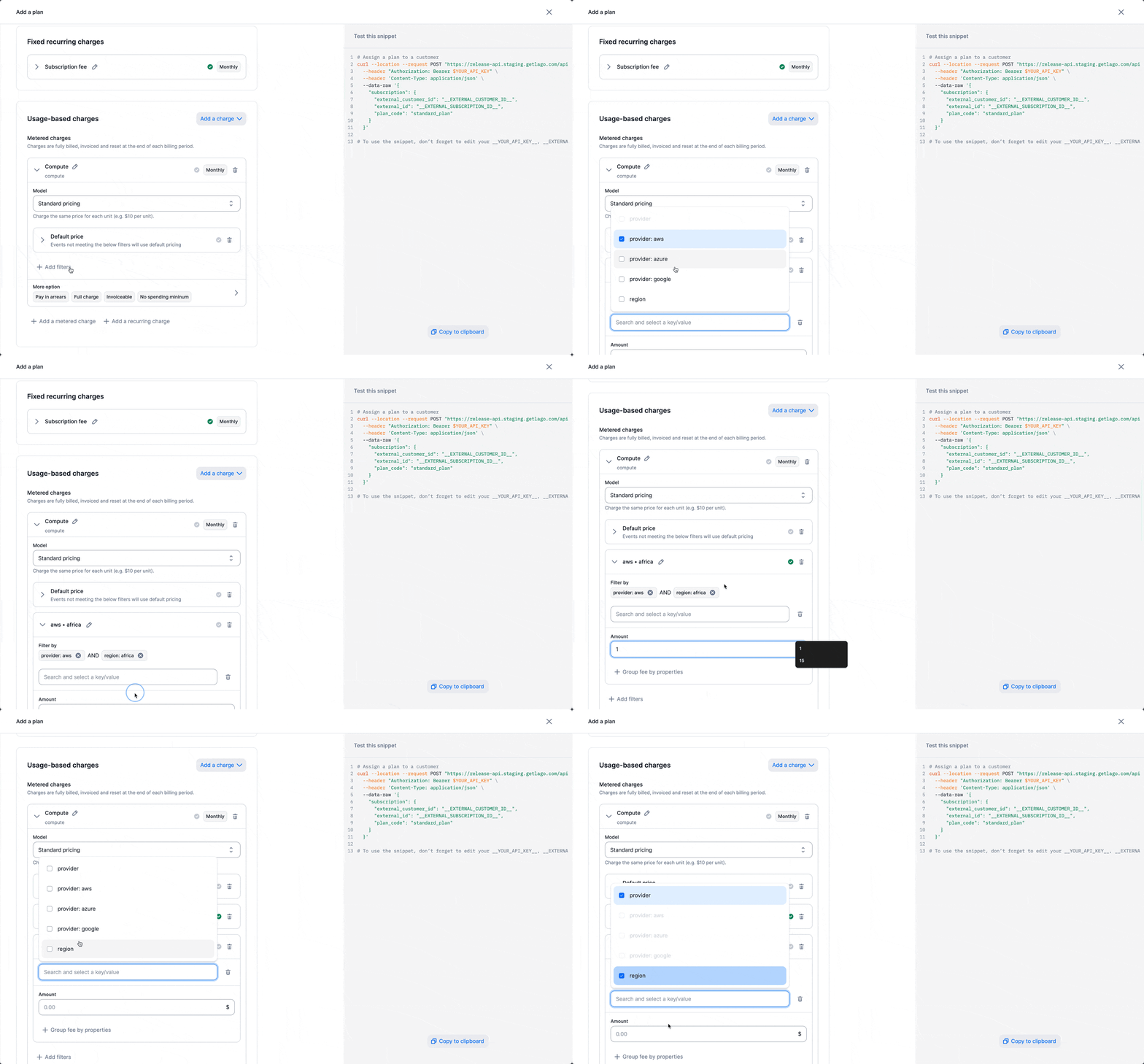
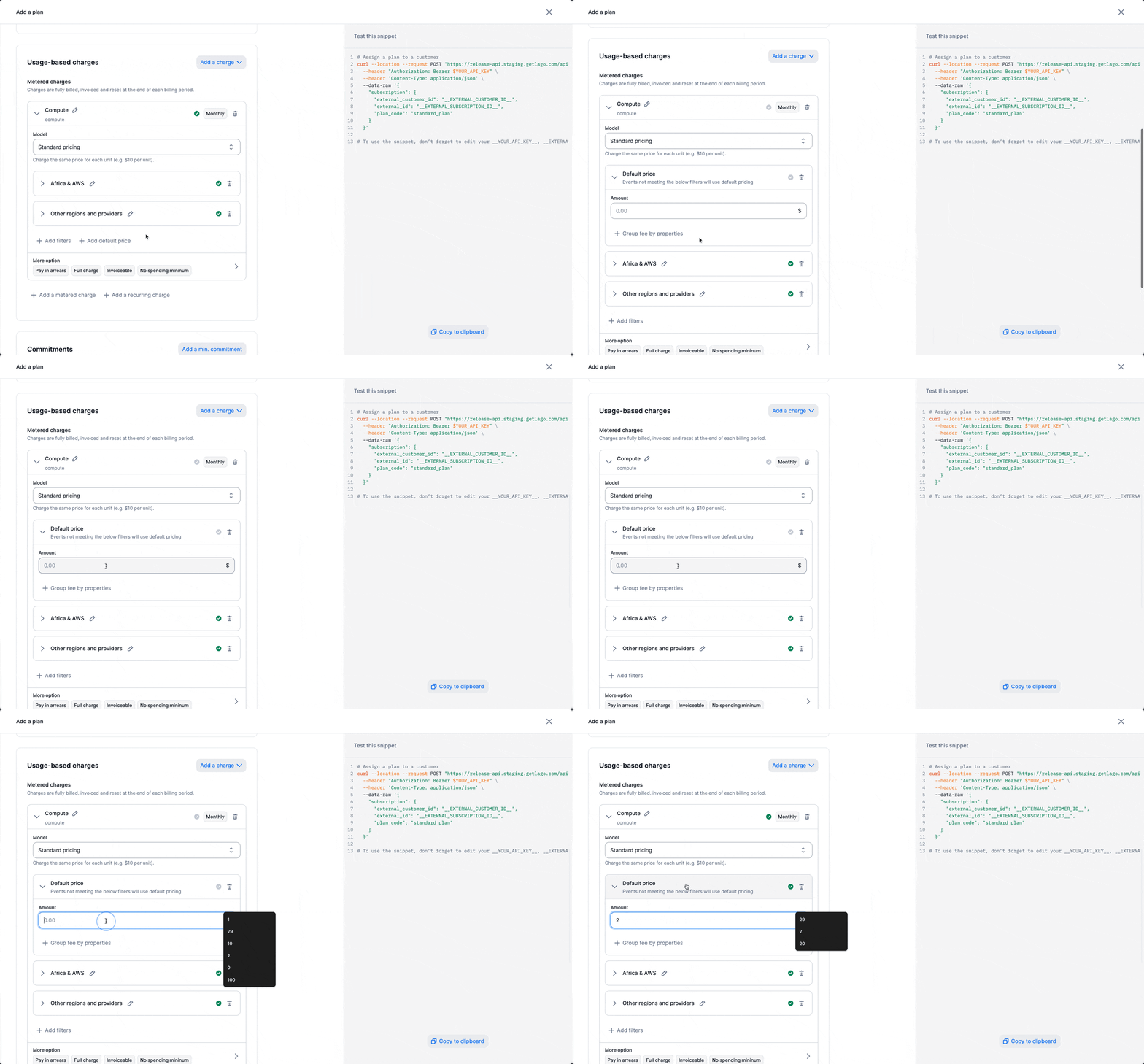
When a billable metric has filters defined, set a default price on the charge level to cover all the other combination of filters not defined in the charge.
Dashboard
API
Add a charge to a plan (this charge should be associated with a billable metric containing filters);
When you update a charge’s filter configuration or pricing, for example by adding new filter
combinations, changing per-filter rates, or removing the default price, Lago applies the
updated pricing rules to all usage in the current open billing period. Fees are not
locked at event ingestion time. They are evaluated against the active charge configuration
at the time of calculation.This means that events received earlier in the period are repriced under the new
configuration, not the one that was active when they were ingested.
Once an invoice is finalized, amounts are permanently locked. Charge configuration
changes only affect the current open billing period. To preserve existing pricing
on already-received usage, finalize the invoice before updating the charge.